
The Science Behind
Reliable Grid Infrastructure
From Materials to Systems — Iterating Toward the Right and Difficult Path
Materials are the invisible foundation of power system reliability. From early inorganic insulation to advanced composite systems, we continuously push the boundary — solving the hardest problems from the most fundamental layer.
Why Materials Matter
External insulation is the invisible backbone of the power system — providing both electrical insulation and mechanical support. Often overlooked, it plays a decisive role in grid safety, reliability, and cost.
System Safety
Preventing electrical faults and protecting critical infrastructure under all operating conditions — from salt fog to industrial pollution and extreme temperatures.
01Operational Reliability
Ensuring consistent performance across decades of service — no maintenance, no flashover, no unexpected failures in any climate or environment.
02Lifecycle Economics
Reducing maintenance burden and extending service intervals through self-recovering surface properties and superior material durability.
03From Traditional to Advanced Composites
Three generations of insulation technology — each solving the failures of the last, culminating in HTV silicone rubber as the defining material of modern grid infrastructure.
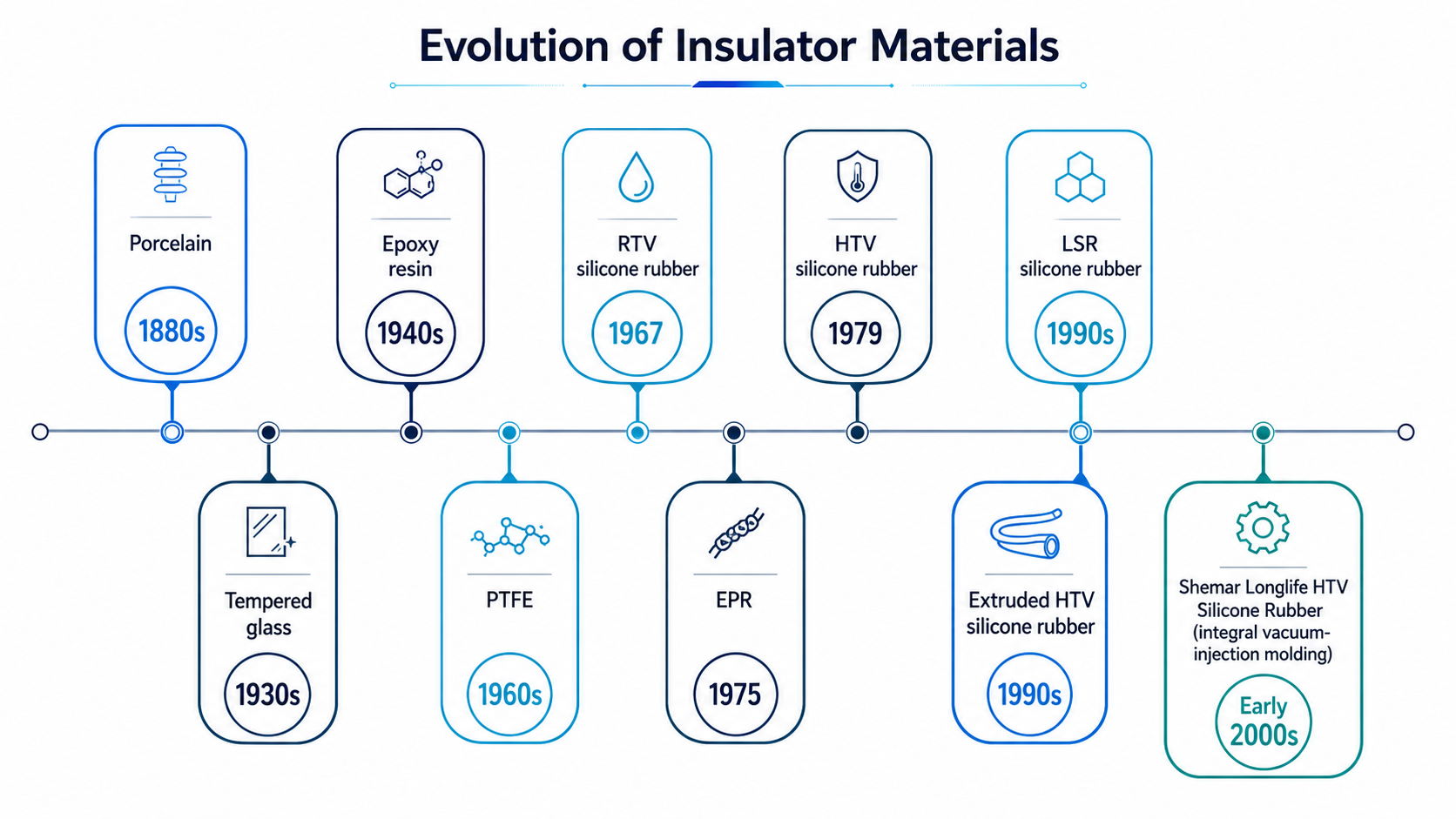
Traditional Materials
Porcelain & Tempered Glass — Proven mechanical stability and well-understood aging behavior, but limited by brittleness, hydrophilic surfaces, and significant pollution flashover risk in contaminated environments.

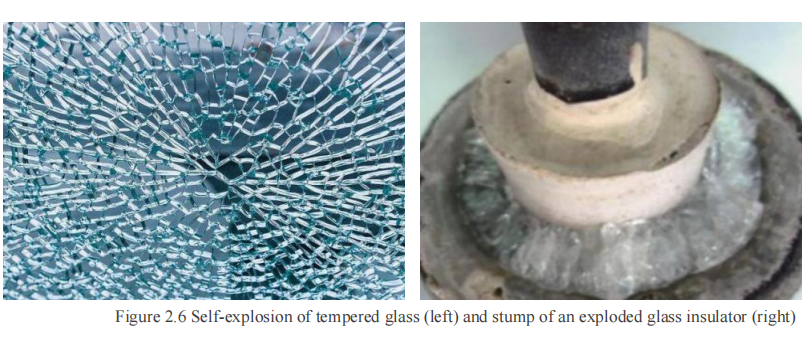
Early Polymer Exploration
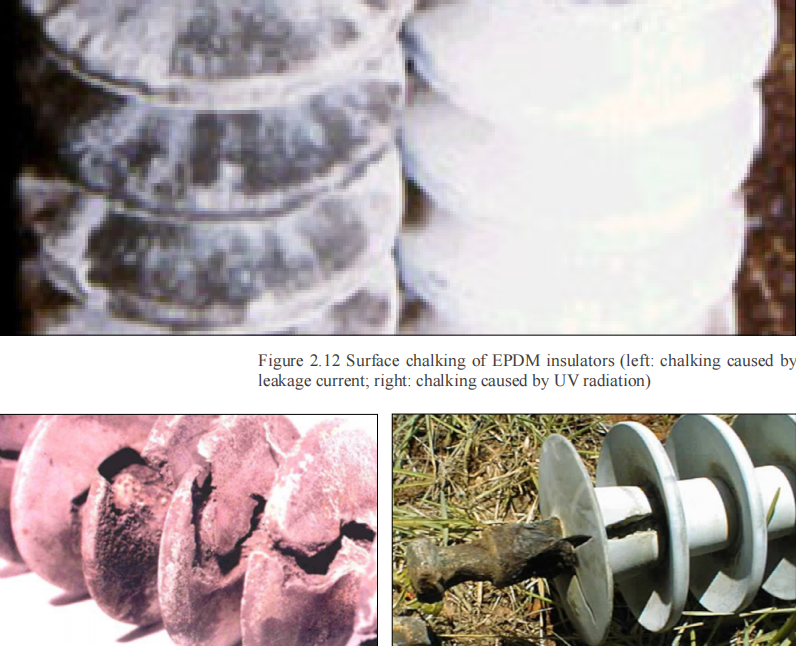
Epoxy Resin / PTFE / EPR — Early attempts at polymer-based insulation. Challenged by poor aging resistance, UV sensitivity, interface defects, and significant reliability limitations in harsh field environments.
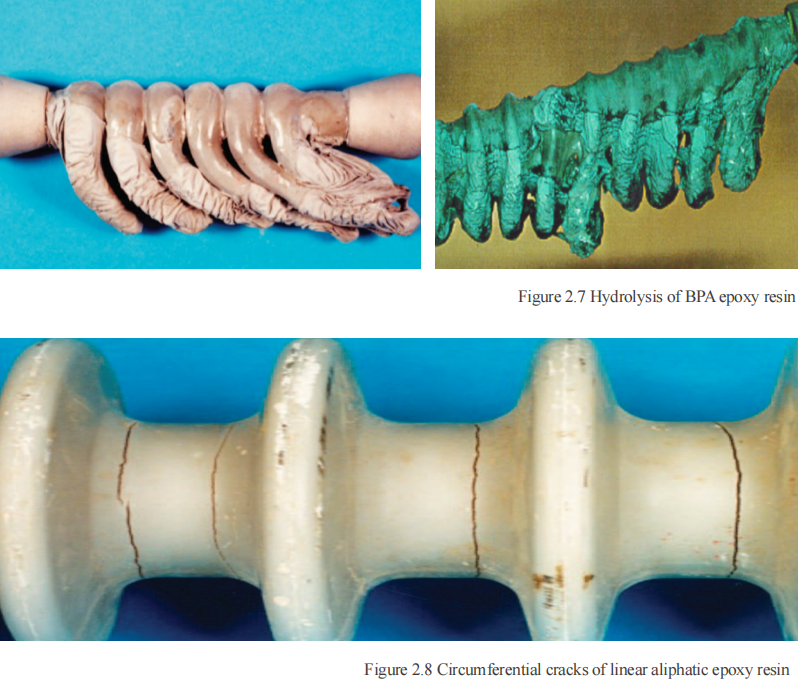
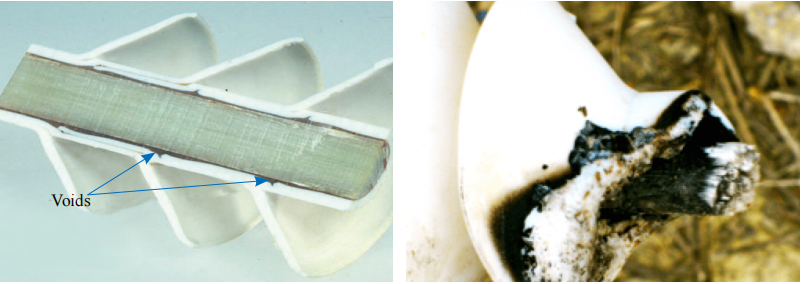
Silicone Rubber Era
RTV / LSR / HTV Silicone Rubber — Fundamental breakthroughs in hydrophobicity, weather resistance, and pollution flashover mitigation. A paradigm shift from passive insulation to performance-engineered composite systems with 40+ year design life.
A Systematic Approach to Material Innovation
Material innovation is not a single breakthrough — it is a system-level capability engineered across molecular design, formulation chemistry, and precision manufacturing.
Molecular Design
Performance begins at the atomic level — engineering the Si–O backbone for exceptional durability.
- Si–O backbone with high bond energy
- UV and thermal resistance by design
- Flexible molecular chains for mechanical durability
Formulation Engineering
Precise formulation determines real-world performance across all operating environments.
- High-dispersion flame retardants (ATH)
- Nano-scale reinforcing agents
- Small-molecule migration for hydrophobic recovery
Advanced Manufacturing
Process precision defines long-term reliability — from bonding to final cure conditions.
- Vacuum injection molding
- High-temperature high-pressure vulcanization
- Void-free interface bonding verification
HTV Silicone Rubber:
The Defining Material
Where molecular engineering meets manufacturing precision — HTV silicone rubber delivers performance no conventional material can match across decades of harsh field service.
Si–O Backbone
Higher bond energy than any carbon-chain material — enabling superior resistance to UV, ozone, and thermal degradation across 40+ years of service.
Hydrophobicity & Transferability
Self-recovering hydrophobic surface — maintains insulation performance even under heavy contamination through molecular migration.
Arc Resistance
Does not form conductive carbon paths under electrical stress — a critical safety advantage over all organic alternatives in high-voltage applications.
Weathering Performance
Validated resistance to ozone, extreme temperatures, UV radiation, and environmental aging — confirmed across 30+ years of global field deployment.
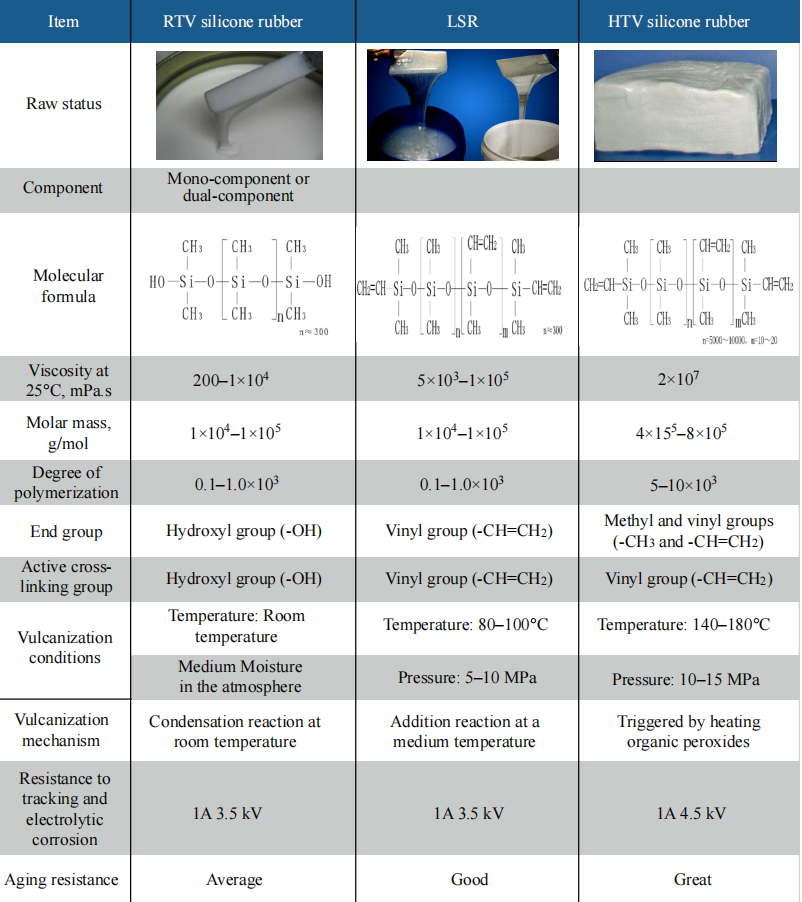
Performance comparison: RTV / LSR / HTV Silicone Rubber
| Material | Critical Limitation |
|---|---|
| Porcelain | Brittle, hydrophilic, flashover risk |
| Tempered Glass | Self-explosion failure mode |
| Epoxy Resin | Arc carbonization — failure path |
| EPDM / EPR | Progressive aging, surface loss |
| HTV Silicone Rubber | Optimal performance across all metrics |
New Materials Reshape the AI-Era Power Grid
The grid of tomorrow demands more than durability. Materials must become intelligent, adaptive, and digitally integrated to meet the demands of a high-density, high-reliability energy future.
Evolving Power Systems
Accelerating renewable integration, AI-driven data center load, and climate-driven grid stress demand materials that perform beyond conventional design envelopes.
Materials as Active Enablers
Materials are no longer passive structural components — they are becoming active enablers of system performance, real-time safety, and grid intelligence.
AI-Assisted Material Design
Integrating AI into molecular design and formulation development — accelerating discovery cycles from years to weeks and optimizing for previously untestable performance envelopes.
Digital Twin Validation
Digital twin-based lifecycle simulation will compress decades of field aging into months of virtual testing — transforming how insulation systems are qualified and deployed.
Ready to Specify the Right Material?
New materials will not only support the power system — they will redefine how it is designed, operated, and evolved in the intelligent era. Our engineering team is ready to help.
Talk to Our Engineers